Most Americans are unaware of their own economic legacy. Even fewer know of Henry Charles Carey. During the middle of the 19th century, Carey was a household name. As economic advisor to President Lincoln, he railed against Thomas Malthus and David Ricardo. His philosophy stood in diametric opposition to the pessimistic views emanating from these British thinkers.
Karl Marx, unknown at the time, considered Carey the “only American economist of importance”1 and aimed to carry out a “hidden warfare”2 against him in his economic writings. While Marx borrowed from Carey’s work, he rejected its underlying philosophy. Marx himself identified the fundamental point of disagreement: Carey held that the economic relations between classes, “instead of being conditions of struggle and antagonism are rather conditions of association and harmony.” Marx, by contrast, argued that class struggle was inherent to those relations. Over the following decades, one theory bore fruit.
The Lincoln era of infrastructure and economic development exploded in popularity internationally. Budding interest in American-style republicanism took hold in nations such as Japan, Germany and Russia. In the century prior, the young republic fought and won a military revolution against empire. In the century that followed, the project continued as an economic revolution. The ‘pursuit of happiness’ became an international standard. America’s economic blossoming became a blueprint enabling the export of an ‘economy of happiness’ adaptable for all nations.
These ideas did not emerge out of thin air, rather, Henry C. Carey developed the economic principles on which the American nation was founded. His father was Philadelphia publisher Mathew Carey, an ardent supporter and proliferator of the economic philosophy of Alexander Hamilton.
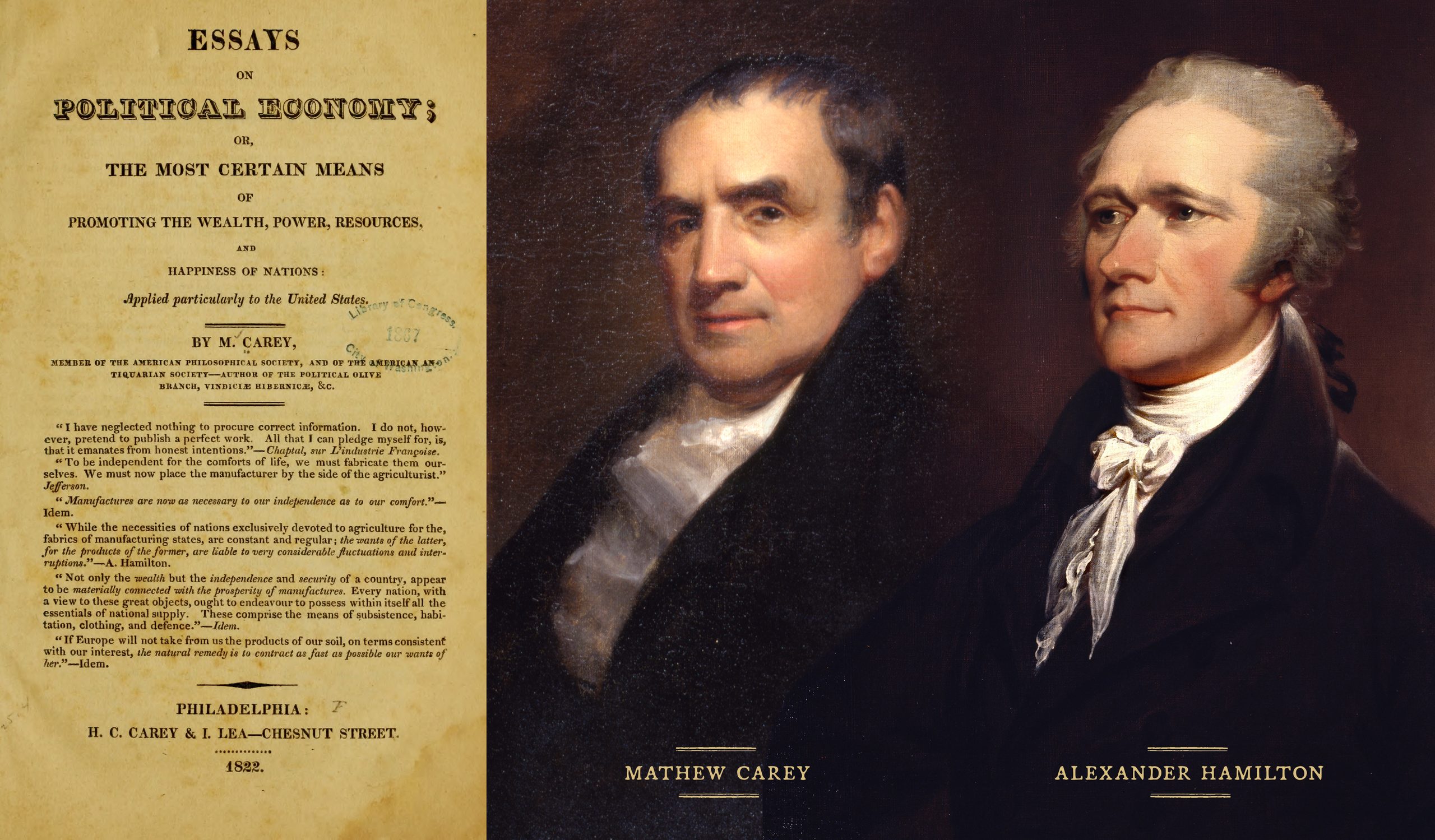
In 1822 the senior Carey published Essays on Political Economy; or The Most Certain Means of Promoting the Wealth, Power, Resources and Happiness of Nations: Applied particularly to the United States. He contrasts American Hamiltonian economics with the system of Wealth of Nations author Adam Smith, whose point of view he characterizes as built upon a “wretched foundation”: a system in which the prosperity of one nation depends upon the “miseries and misfortunes” of another. Any framework where some have to suffer so others can prosper should be outright rejected, and Carey exclaims proudly, “What a contrast between this system and that developed with such ability by Alexander Hamilton, which we advocate! Light and darkness are not more opposite to each other.”3 The American School of Political Economy is based on the principle of harmony, to the benefit of all mankind—the antithesis of British political economy and Marx’s doctrine of class struggle.
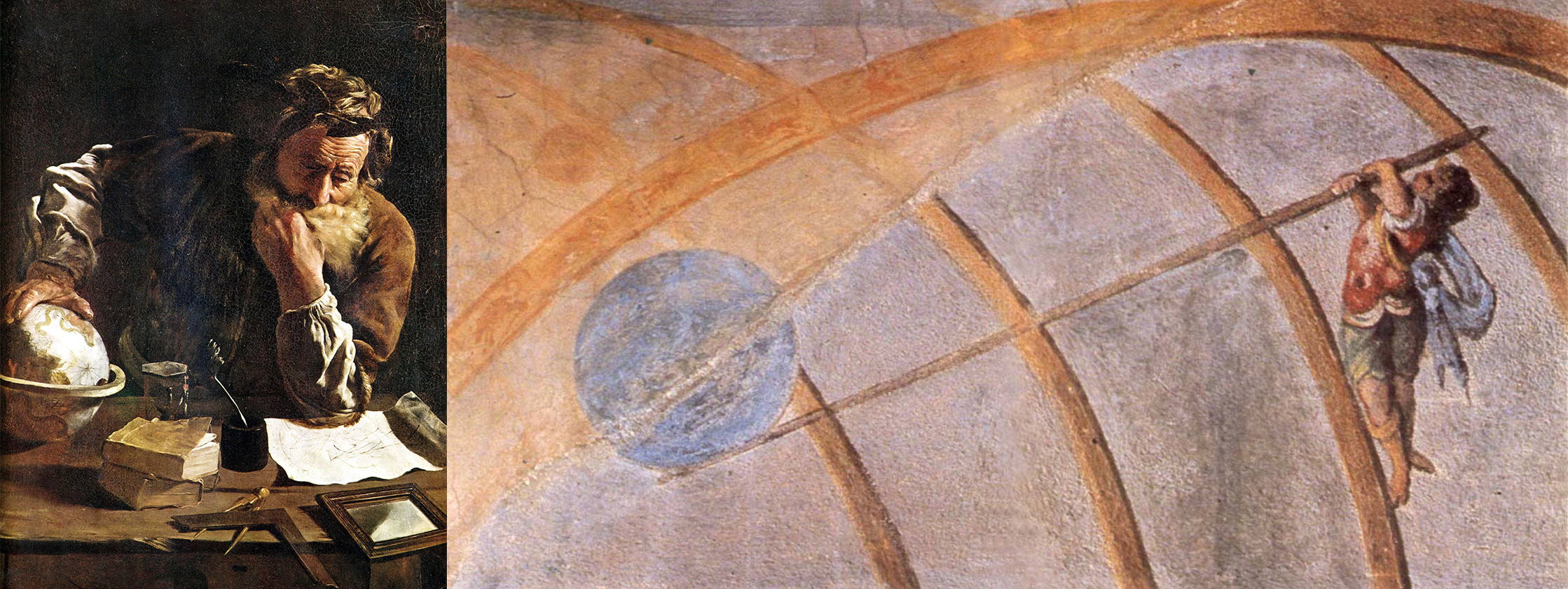
This principle is executed through the act of increasing the productive powers of labor. Archimedes famously stated “Give me a place to stand, and I will move the Earth,” demonstrating, geometrically, how employing a simple lever increases, by magnitudes, the ability for a single person to lift a heavy object that would otherwise be beyond his physical abilities alone. Mathew Carey employs this metaphor to describe manufacturing and machinery. “The stand that Archimedes wanted, is given to the national and state governments — and labour-saving machinery tenders the lever — the power of bringing those resources into use.”4 The American System of Economy is built on this geometry.
America now finds itself in a time of national and international economic crisis. Therefore, now is no better time than to reintroduce Henry C. Carey to his original audience: the American people.
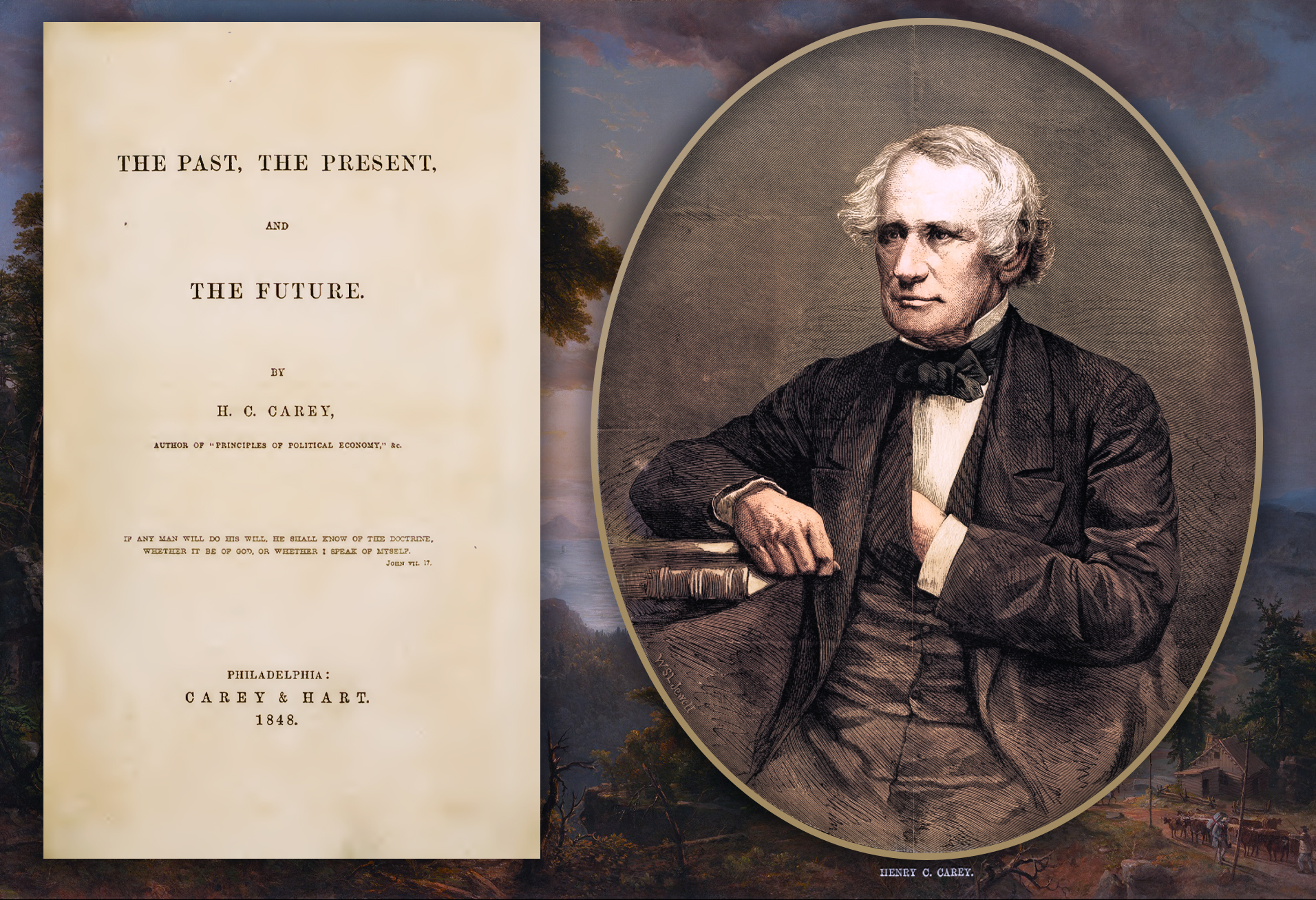
His 1848 book The Past, The Present and The Future, opens with a dramatic vignette. We are brought along the journey of the lone cultivator arriving in untouched wilderness. Immediately Carey inverts Adam Smith’s assumption that raw land is the source of wealth. Carey properly situates us: Population being small, land is, of course, abundant. The first cultivator of land is sitting on potential, but he does not have the ability yet to tap into the abundance contained within nature. He is forced onto the higher lands where the soil is not as rich, but with what little resources he has—fire, his own two hands, and time—he is able to clear the land to start planting crops.
At this stage, he must rely on nature for the heavy lift: the light soil drains itself. Drainage is left up to nature. Though rudimentary, he has succeeded in the first step: making the earth labour for him. Our cultivator continues to evolve. Three powers help raise him to higher forms of development: his mind, fire and time. Each multiplies and economizes the power of the others. New discoveries and inventions lead to a reduction in necessary labor, while increasing yield and saving time; that time can then be applied to more discoveries, which saves labor, increases yield and so on. He can now move back towards the lower, fertile land with the help of tools and more people (his children).
The increase in population speeds up this process. The land, more peopled, now becomes more usable and useful. The presence of mankind has actually improved the quality of nature and the quality of life for each individual. This is how the economy of happiness, peace and prosperity unfold lawfully.
The following passage is excerpted from ‘The Past, The Present and The Future.’ Paragraph breaks are added to enhance readability, but otherwise the text is unchanged.
The Lesson of the Past to the Present
Chapter I. Man and Land
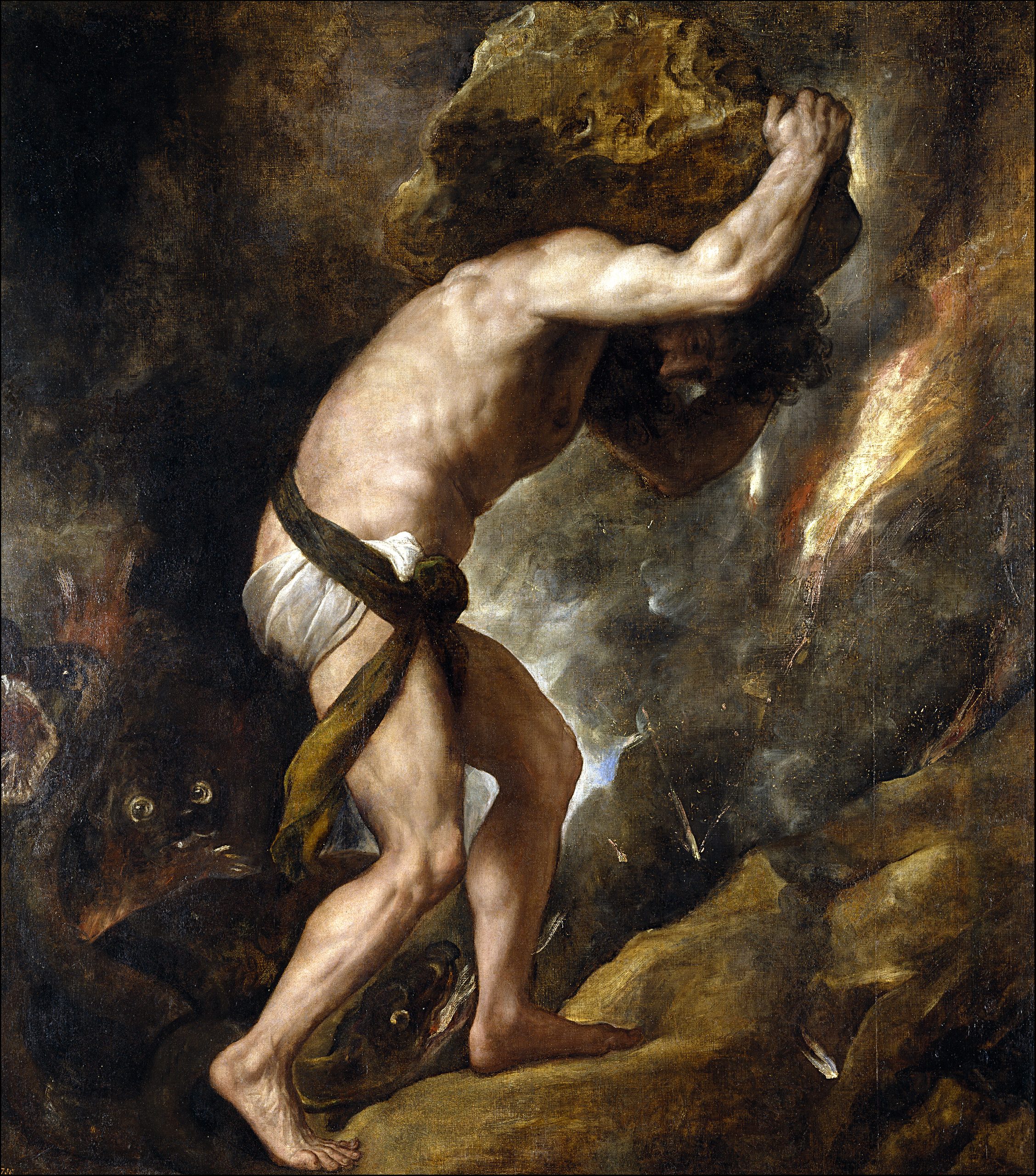
The first cultivator, the Robinson Crusoe of his day, provided however with a wife, has neither axe nor spade. He works alone. Population being small, land is, of course, abundant.He may select for himself, without fear of his title being disputed. He is surrounded by soils possessed, in the highest possible degree, of the qualities that fit them for yielding large returns to labour. They are, however, covered with immense trees that he cannot fell, or they are swamps that he cannot drain. To pass through them even is attended with no small difficulty. The first is a mass of roots, stumps, decaying logs, and shrubs, while into the other he sinks half leg deep at every step. The atmosphere, too, is impure. Fogs settle upon the low lands, and the dense foliage of the wood prevents the circulation of the air. He has no axe, but if he had, he would not venture there, for to do so, would be attended with certain loss of health and great risk of life. Vegetation, too, is so luxuriant, that before he could, with the imperfect machinery at his command, clear a single acre, a portion of it would be again so overgrown that he would have to recommence his labour, which would be almost, if not quite, that of Sisyphus.
The higher lands, comparatively bare of timber, are ill calculated to yield a return to his labour. Nevertheless there are spots on the hill where the thin soil has prevented the growth of trees and shrubs, or there are spaces among the trees, that can be cultivated while they still remain standing, and when he pulls up by the roots the few shrubs scattered over the surface, he feels no apprehension of their being speedily replaced. With his hands he may even succeed in barking the trees, or, by the aid of fire, he may so far destroy them that time alone is needed to give him a few cleared acres, upon which he may plant his grain, with little fear of weeds.
To attempt these things upon the richer lands would be loss of labour. In some places the ground is always wet. In others, the trees are too large to be seriously injured by fire, and its only effect would be to stimulate the growth of weeds and brush.
He, therefore, commences the work of cultivation far up the hill, where, making with his stick holes in the light soil that drains itself, he drops the grain an inch or two below the surface, and in due season obtains a return of double the amount of his seed. He pounds this between stones, and obtains bread. His condition is improved. He has succeeded in making the earth labour for him, while himself engaged in trapping rabbits or squirrels, and in gathering fruits.
In process of time, he succeeds in sharpening a stone, and thus obtains a hatchet by aid of which he is enabled to proceed more rapidly in girdling the trees, and in removing the sprouts and their roots, which, is nevertheless a very slow and laborious operation.
At the next step, we find him bringing into activity a new soil, whose food-producing powers were less obvious to sight than those of that first attempted. He finds an ore of copper, and by the aid of some of his fallen and decayed timber, succeeds in burning it, and thus obtains a better axe, with far less labour than was required for the first.
He has also something like a spade. He can now make holes four inches deep with less labour than with his stick he could make those of two. He penetrates to a lower soil, and being enabled to stir the earth and loosen it, the rain is now absorbed instead of running off from the hard ground, and he finds his new one far better and more easily worked than that upon which he has heretofore wasted his labour. His seed, better protected, is less liable to be frozen out in winter, or parched in summer, the consequence of which is that he gathers thrice the quantity sown. His new soil gives him larger returns with less labour.
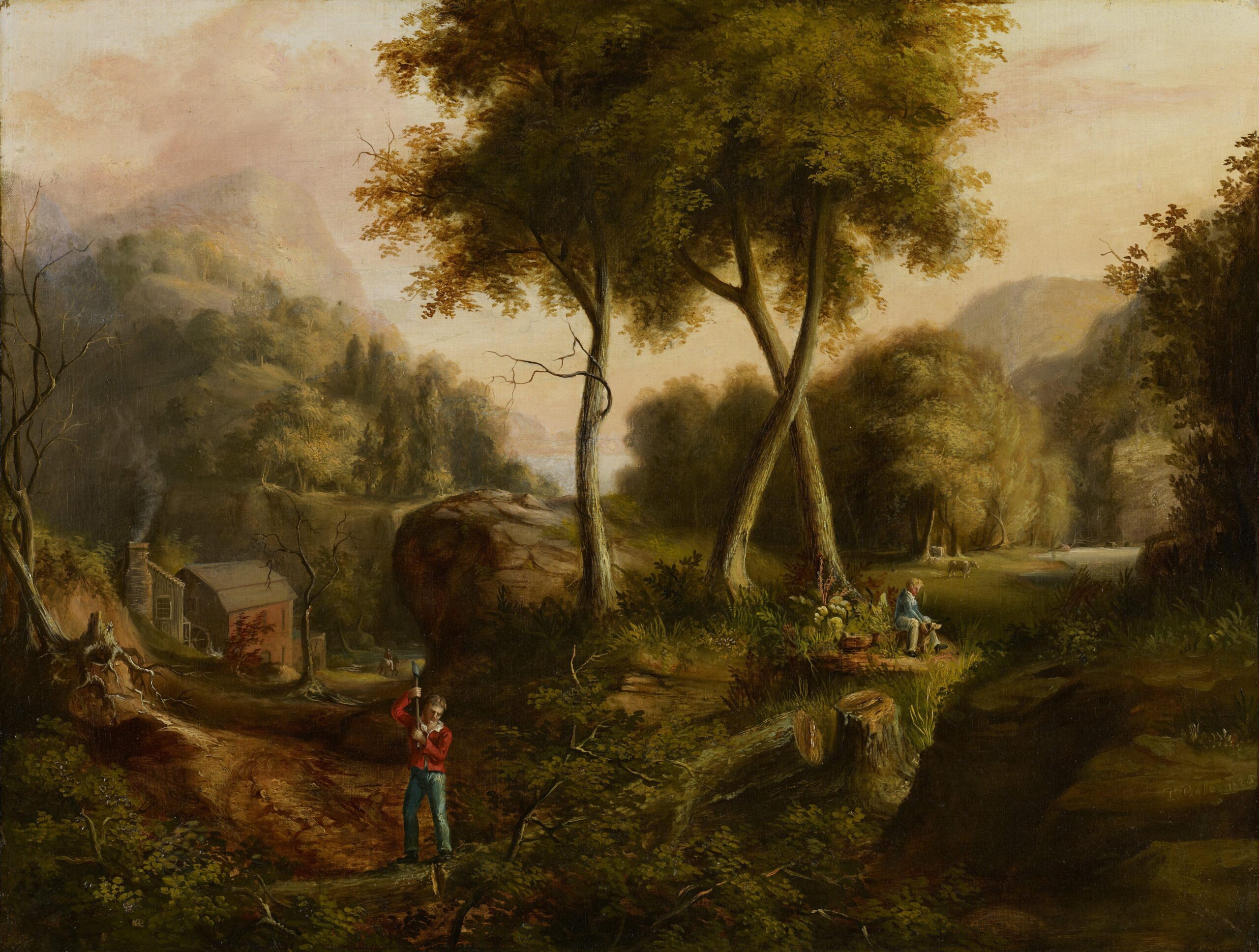
At the next step, we find him bringing into action another new soil. He has found that which, on burning, yields him zinc, and by combining this with his copper he has brass. His machinery improves, and he proceeds more rapidly. He sinks deeper into the land first occupied, and is enabled to clear other lands upon which vegetation grows more luxuriantly, because he can now exterminate the shrubs with some hope of occupying the land before they are replaced with others equally valueless for the supply of his wants. His children, too, have grown, and they can weed the ground and assist him in removing the obstacles by which his progress is impeded.
At another step, we find him burning a piece of the iron soil which surrounds him in all directions, and now he is enabled to obtain a real axe and spade, inferior in quality, but still much superior to those by which his labour has been thus far aided. He next, with the aid of his sons, grown to man’s estate, removes the light pine of the hill-side, leaving still untouched, however, the heavy oak of the river bottom. His cultivable ground is increased in extent, while he is enabled with his spade to penetrate still deeper than before, thus bringing into action the powers of the several soils lying within half a dozen inches of the surface.
He finds, with great pleasure, that the light soil is underlaid with clay, and that by combining the two he obtains a new one far more productive than that first brought into activity. He finds, too, that by turning the top soil down, the process of decomposition is facilitated, and that thus, with each new operation, he receives an increasing reward for his labour.
His family has increased, and he has obtained the important advantage of combination of exertion. Things that were needed to be done to render his land more rapidly productive, but which were to one man impracticable, become simple and easy when now attempted by himself and his half dozen sons, each of whom obtains far more food than he alone could at first command, and in return for far less severe exertion.
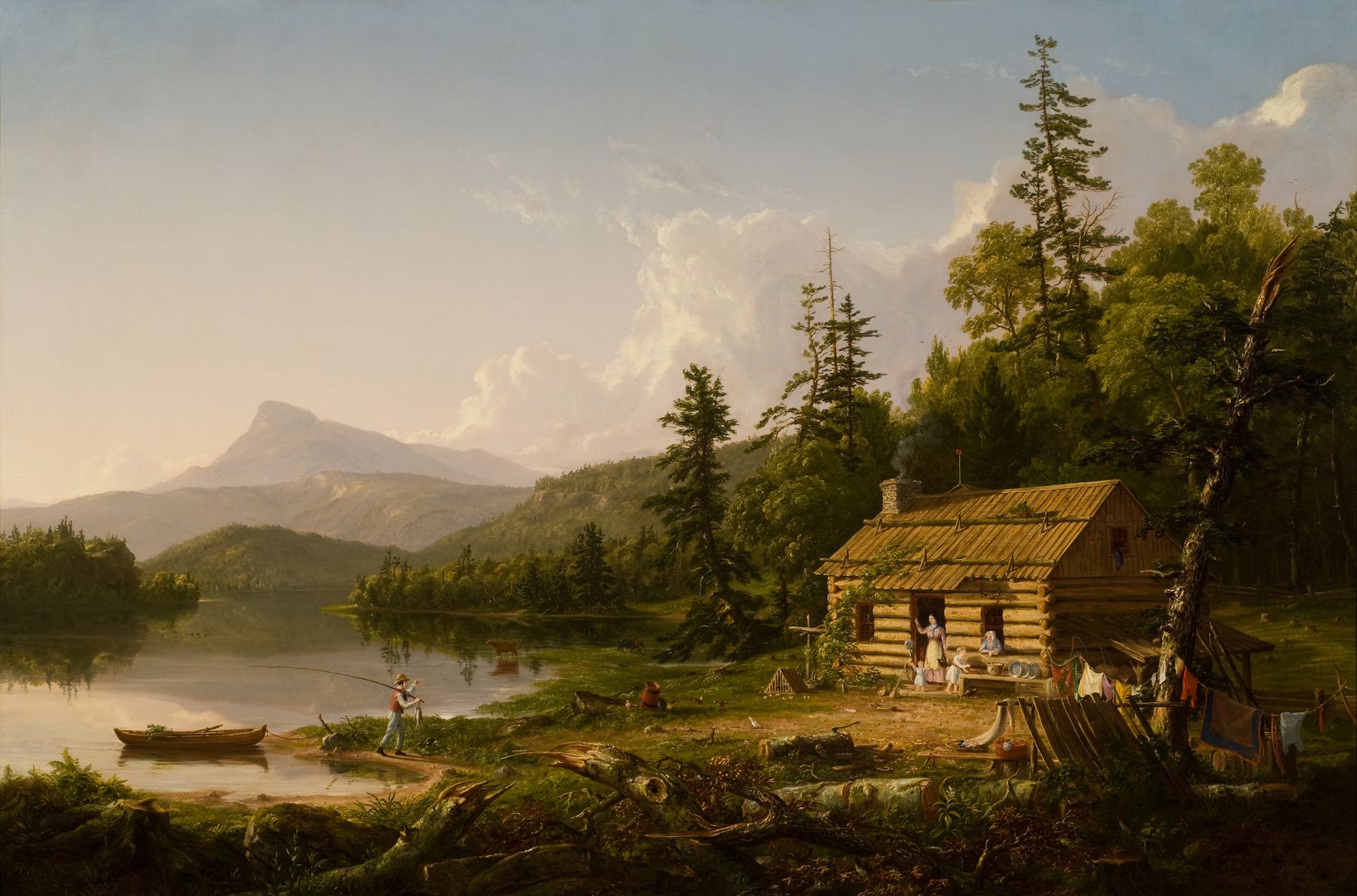
He next extends his operations downwards, towards the low grounds of the stream, girdling the large trees, and burning the brush, and thus facilitating the passage of air so as to render the land by degrees fitted for occupation.
He now finds that his sons can perform all the labours of the field, and that by devoting his own attention to the cultivation of the iron soil, he can render more aid, and with less severe labour, than in any other manner.
He invents a hoe, by means of which his grandchildren are enabled to keep the ground free from weeds, and to tear up some of the roots by which his best lands—those last brought into cultivation—are yet infested.
He has succeeded in taming the ox, but as yet has had no use for his services. He now invents the plough, and by means of a piece of twisted hide is enabled to attach the ox, and to turn up a deeper soil, while extending his cultivation over land more distant from the place of his first little cabin, on the spot first occupied.
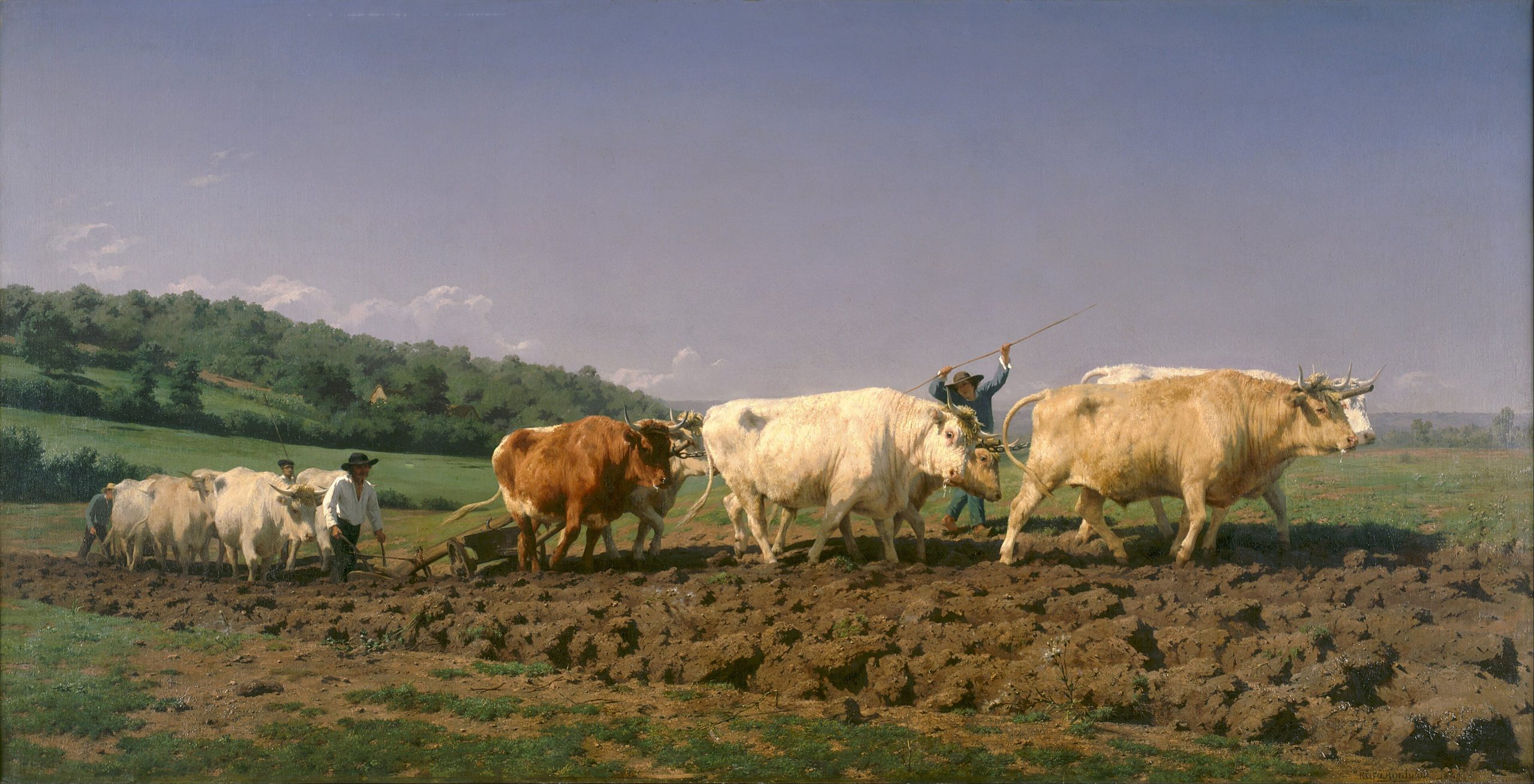
His family grows, and with it grows his wealth. He has better machinery, and he has reduced to cultivation more and better lands. Food and clothing are more abundant, and the air on the lower lands is improved by the clearing of the trees.
His house, too, is better. In the outset, it was a hole in the ground. Afterwards it was composed of such decayed logs as his unaided efforts could succeed in rolling and placing one upon the other. A chimney was an unhoped-for luxury, and he must live in perpetual smoke, or almost perish of cold. A window was a luxury unthought of. If the severity of the weather required him to close his doors, he was stifled with smoke, and he passed his days in darkness. His time, therefore, during a large portion of the year, was totally unproductive, while his life was liable to be shortened by disease produced by foul air within, or severe cold without, his miserable hut.
With increase of population he has acquired wealth, derived from the cultivation of new and better soils; and he has acquired also the power of combining his labour with that of others, thus rendering that of all more productive. They now fell the heavy oak and the enormous pine, and avail themselves thereof for the construction of additional houses, each in regular succession better than the first. Health improves, and population increases more rapidly. Some of the sons are now employed in the field, while others prepare the skins and render them more fit for clothing: and a third set make axes, spades, hoes, ploughs, and other implements calculated to aid the labours of the field, and those of construction. The supply of food increases rapidly, and with it the power of accumulation.
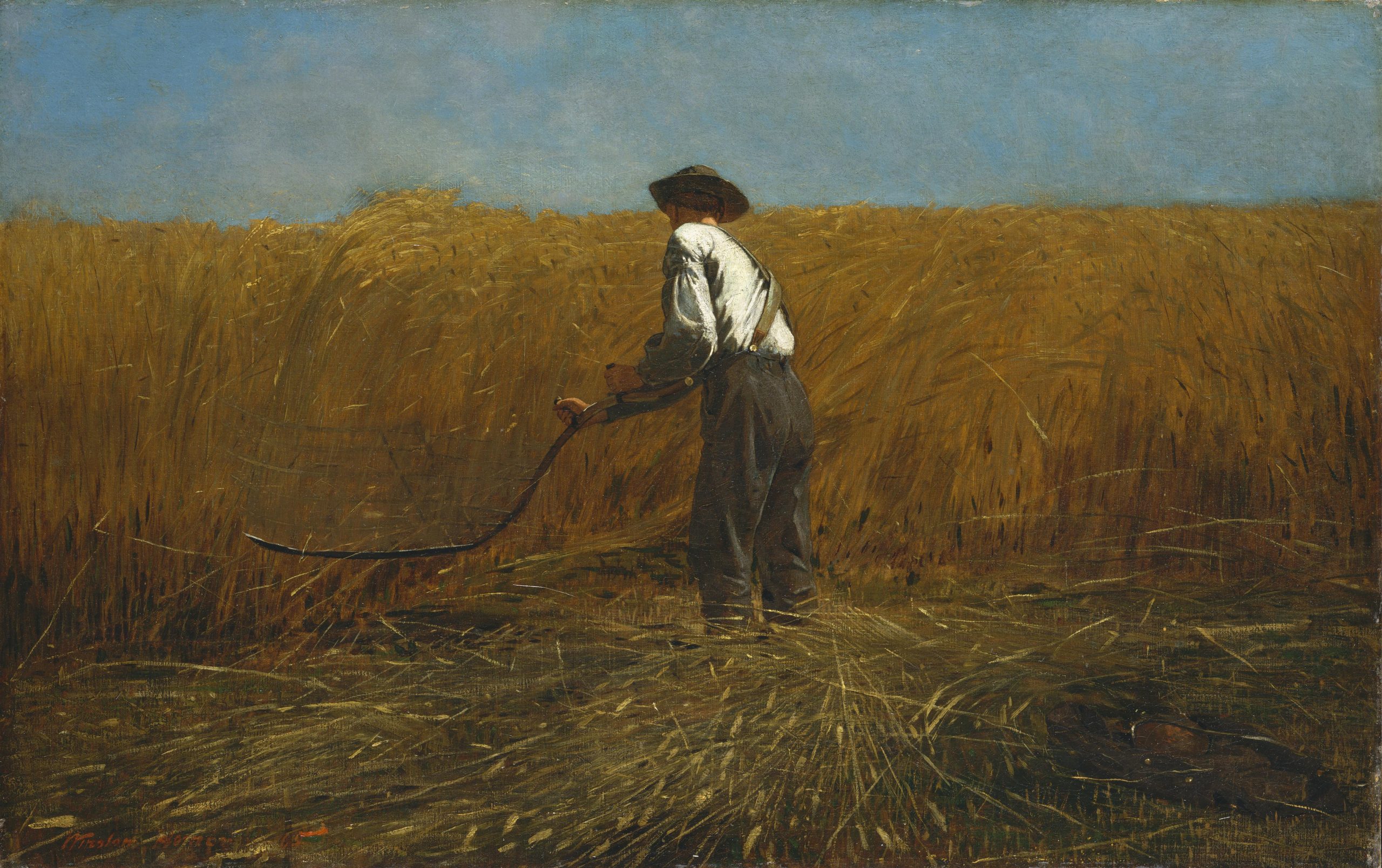
In the first years, there was perpetual danger of famine. Now, there is a surplus, and a part is stored to provide against the danger of short crops. Cultivation extends itself along the hill-side, where deeper soils now laid open by the plough, afford a better return, while down the slope of the hill each successive year is marked by the disappearance of the great trees by which the richer lands have heretofore been occupied, the intermediate spaces becoming meanwhile enriched by the decomposition of the enormous roots, and more readily ploughed because of the gradual decay of the stumps. A single ox to the plough can now turn up a greater space than in the outset could be done by two. A single ploughman can now do more than on the ground first cultivated could have been done by a hundred men armed with pointed sticks. The family are next enabled to drain some of the lower lands, and copious harvests of grain are obtained from the new soil now first cultivated. The oxen have heretofore roamed the woods, gathering what they could. The meadow is now granted to their use, the axe and the saw enabling the family to enclose them, and thus to lessen the labour attendant upon obtaining supplies of meat, milk, butter and hides.
Heretofore their chief domestic animal has been the hog, which could live on mast. Now, they add beef, and perhaps mutton, the lands first cultivated being abandoned to the sheep. They obtain far more meat and grain, and with less labour than at any former period, although their numbers have so greatly increased. The father and grandfather have passed away, and the younger generations are now profiting by the wealth they had accumulated, while applying their own labour with daily increasing advantage : and obtaining a constantly increasing return, with increasing power of accumulation, and decreasing severity of application.
They now bring new powers to their aid, and the water no longer is allowed to run to waste : the air itself is made to work. Windmills grind the grain, and sawmills cut the timber, which disappears more rapidly, while the work of drainage is in course of being improved by more efficient spades and ploughs. The little furnace makes its appearance and charcoal is now applied to the reduction of the soil yielding iron, when it is found that the labour of a single day becomes more productive than was before that of half a dozen.

Population spreads itself along the faces of the hills and down into the lower lands, becoming more and more dense at the seat of the original settlement, and with every step we find increasing tendency to combination of action for the production of food, the manufacture of clothing and household utensils, the construction of houses, and the preparation of machinery for aiding in all these operations.
The heaviest timber : that growing on the most fertile land : now disappears, and the deepest marshes are now drained. Roads are next made to facilitate the intercourse between the old settlement and the newer ones that have been formed around it, and to enable the grower of corn to exchange his product for improved spades and ploughs, and for clothing and furniture.
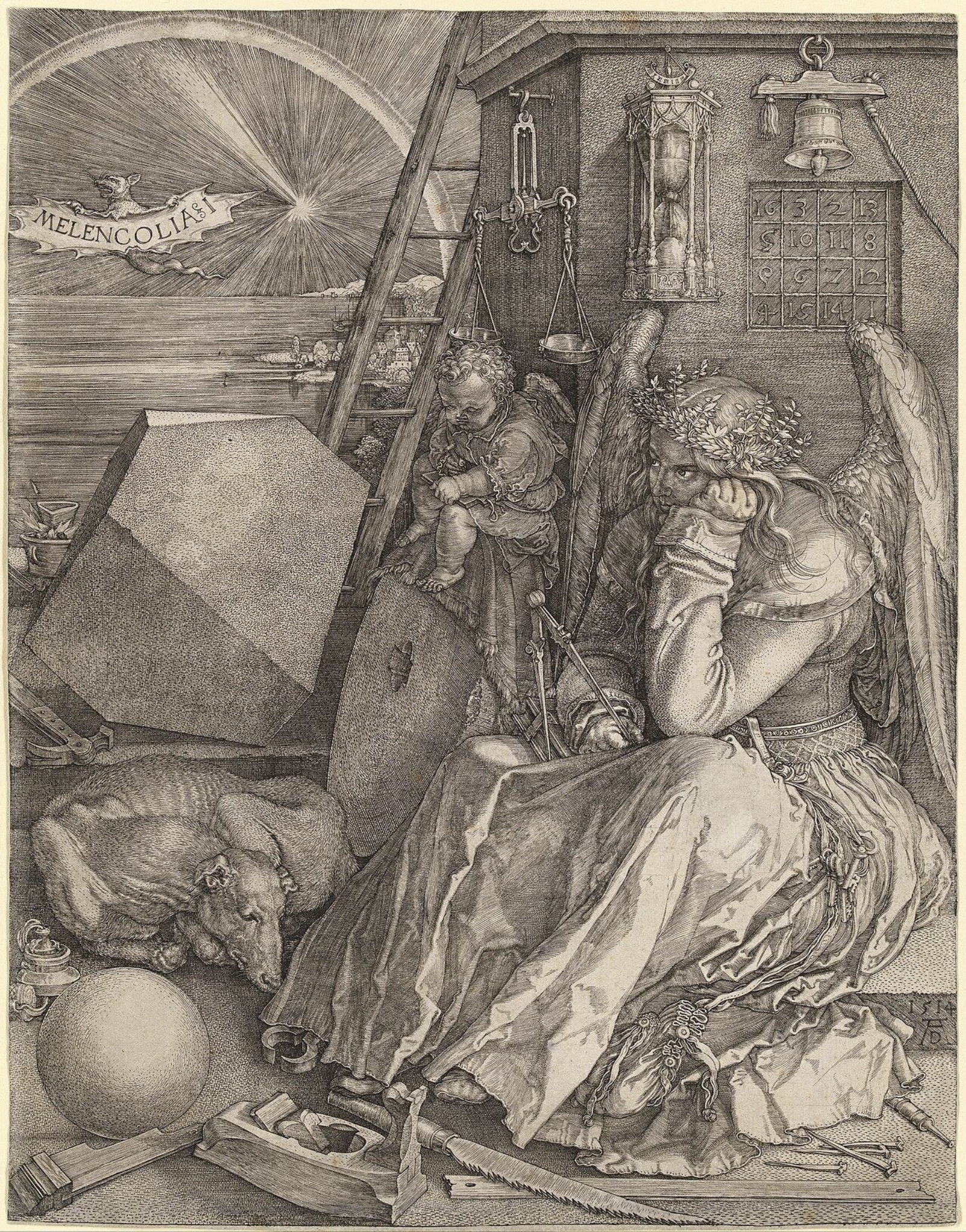
Population again increases, and wealth still further increases, and therewith man acquires more leisure for reflection on the results furnished by the experience of himself and his predecessors. His mind becomes more and more stimulated into action. The sand in the neighbourhood is found to be underlaid with marl, and by the aid of the improved machinery now in use, the two are brought into combination, thereby producing a soil of power far exceeding that of those heretofore cultivated. The return to labour increases, and all are better fed, and clothed, and housed, and all are incited to new exertions, while improved health and the power of working in-doors and out-of-doors, according to the season, enable them to apply their labour more steadily and regularly.
Thus far, however, they have found it difficult to gather their crops in season. The harvest time is short, and the whole strength of the community has been found insufficient to prevent much of the grain remaining on the ground until, over ripe, it was shaken out by the wind, or in the attempt to gather it: and not unfrequently it has been totally ruined by changes of weather after it was fit to be harvested. The progress of cultivation has thereby been arrested, and labour has been superabundant during the year, while harvest produced a demand for it that could not be supplied.
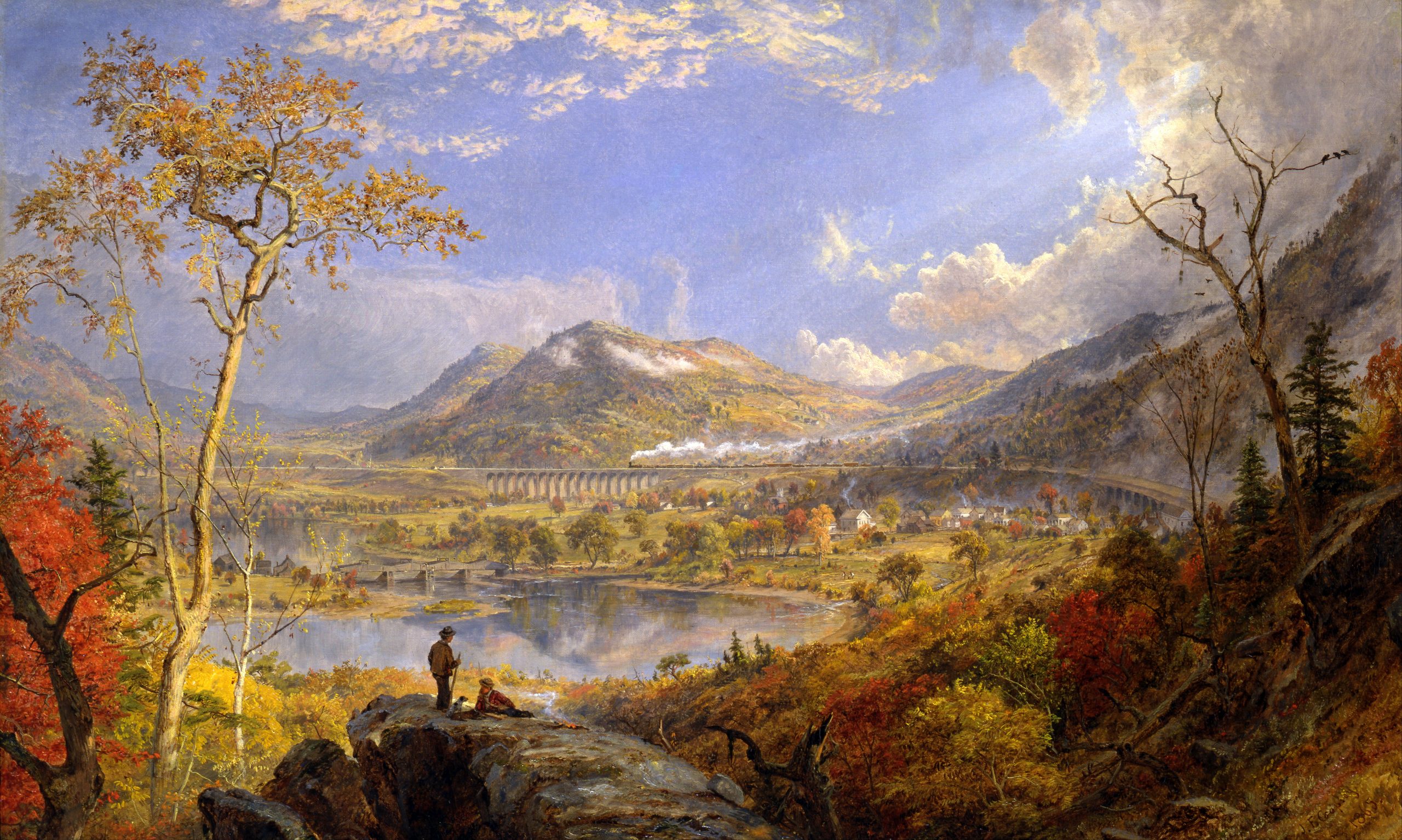
The reaping-hook takes the place of the hand, and the scythe enables the farmer to cut his hay. The cradle and the horse-rake follow, and all tend to increase the facility of accumulation, and thus to increase the power of applying labour to new soils, deeper or more distant, more heavily burdened with timber, or more liable to be flooded, and thus requiring embankment as well as drainage.
New combinations, too, are formed. The clay is found to be underlaid with the soil called lime, which latter, like the iron soil, requires preparation to fit it for the task of combination. The road, the wagon, and the horse facilitate the work, by enabling the farmer readily to obtain supplies of the carbon-yielding soil, called coal, and he now obtains, by burning the lime and combining it with the clay, a better soil than at any former period: one that will yield more corn, and that requires far less severe labour from himself, his oxen, or his horses.
Population and wealth again increase, and the steam-engine facilitates the work of drainage, while the railroad and the engine facilitate the transportation to market of his products. His cattle are now fattened at home, and a large portion of the produce of his rich meadow-land is left at home, in the form of manure, to be applied to other soils, yet found incapable of yielding a return to labour. Instead of sending food to fatten them at market, he now obtains from market their refuse in the form of bones, and the productiveness of labour is greatly increased.
Passing thus, at every step, from the poor to the better soils, the supply of food, and of all other of the necessaries of life increases daily, and men consume more, while accumulating wealth with constantly increasing rapidity. The danger of famine and disease passes away. Increased returns to labour and daily improving condition render labour pleasant, and man applies himself more steadily as his work becomes less severe.
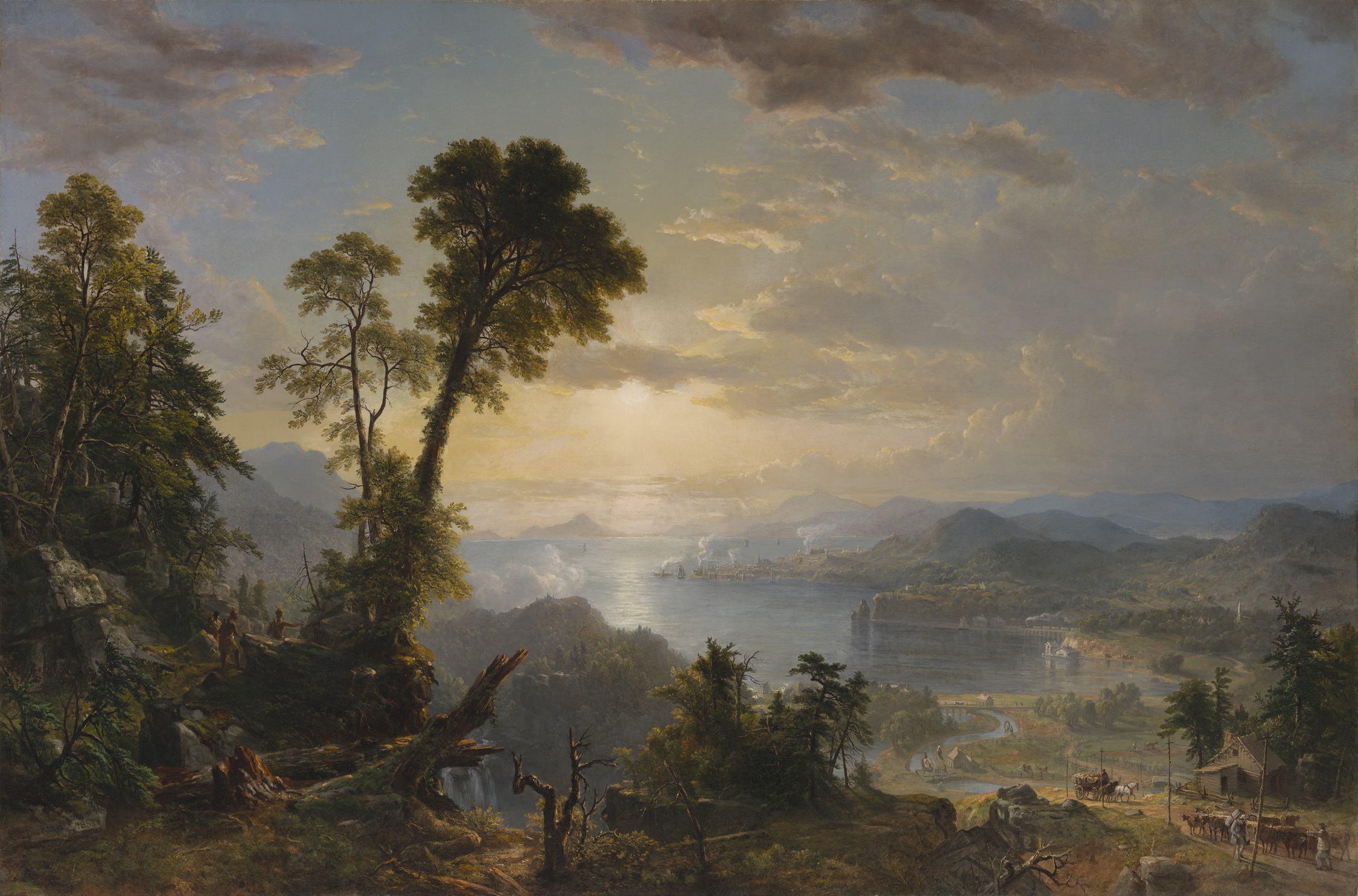
Population increases, and the rapidity of its increase is seen to be greater with each successive generation; and with each is seen an increase of the power of living in connection with each other, by reason of the power of obtaining constantly increasing supplies from the same surface : with each is seen an increase in the tendency to combination of action, by which their labours are rendered more productive—their wants increased—the desire and the facilities of commerce augmented: tending to produce harmony and peace, and security of person and property among themselves, and with the world : accompanied by constant increase of numbers, wealth, prosperity and happiness.
- Karl Marx, letter to Joseph Weydemeyer, March 5, 1852, in Marx and Engels Collected Works, p. 64
- Karl Marx, letter to Friedrich Engels June 6, 1853, in Marx and Engels Collected Works, p. 79
- Mathew Carey, Essays on Political Economy; or, The Most Certain Means of Promoting the Wealth, Power, Resources and Happiness of Nations: Applied Particularly to the United States (Philadelphia: H. C. Carey & I. Lea, 1822), p. 15.
- Carey, Essays on Political Economy, p. 156.
Leave a Reply